'I Could Make \"Fart Fart Boobie Fart: The Game\" and Maybe It Would Eventually Get Taken Down' - Devs Reveal Why the Consoles Are Drowning in 'Eslop'
The PlayStation Store and Nintendo eShop are experiencing an influx of low-quality games, often described as "slop," raising concerns among users. These games, frequently simulation titles, utilize generative AI for misleading marketing materials and often bear striking resemblance to popular titles, sometimes even copying names and themes. This issue, initially prominent on the eShop, has recently spread to the PlayStation Store, particularly affecting the "Games to Wishlist" section.
The problem isn't simply the presence of "bad" games, but the sheer volume of nearly identical, low-effort titles overwhelming legitimate releases. These games often feature poor controls, technical glitches, and limited gameplay, failing to match their advertised appearances. A small number of companies appear responsible for this surge, exhibiting opaque business practices and frequently changing names.
User complaints have prompted calls for increased storefront regulation, particularly concerning the eShop's declining performance due to the sheer number of listings. To understand the situation, we investigated the game release processes across Steam, Xbox, PlayStation, and Nintendo Switch.
The Certification Process
Interviews with eight anonymous game developers and publishers revealed insights into platform certification ("cert"). Generally, the process involves pitching to the platform holder, completing forms detailing game specifications, and undergoing certification to ensure compliance with technical requirements and legal standards. Age ratings are strictly enforced, with discrepancies leading to significant delays.
Contrary to popular belief, certification isn't a quality assurance check. Platform holders verify code compliance with hardware specifications, not game quality. Feedback on submission failures is often limited, especially from Nintendo.
Store Page Review
While platform holders require accurate game representation in screenshots, enforcement varies. Reviews primarily focus on avoiding conflicting imagery and ensuring correct language. One instance involved Nintendo rejecting screenshots that were impossible to render on the Switch, highlighting the lack of access to game builds by the store review team.
Nintendo and Xbox review store page changes before launch, while PlayStation conducts a single check near launch. Valve reviews pages initially but doesn't monitor subsequent changes, allowing for significant post-approval alterations.
While some diligence exists in verifying store information, standards are loosely defined, allowing misleading content to slip through. Consequences for inaccurate representations are typically limited to content removal, with delisting or developer removal being a more severe outcome. None of the console storefronts have specific rules regarding generative AI use in games or store assets, although Steam requests disclosure.
The "Slop" Discrepancy
The disparity in "slop" across platforms stems from differences in developer vetting. Microsoft vets games individually, while Nintendo, Sony, and Valve vet developers. This allows approved developers on the latter platforms to readily release multiple games, contributing to the "slop" problem. Xbox's game-by-game approval process makes it less susceptible.
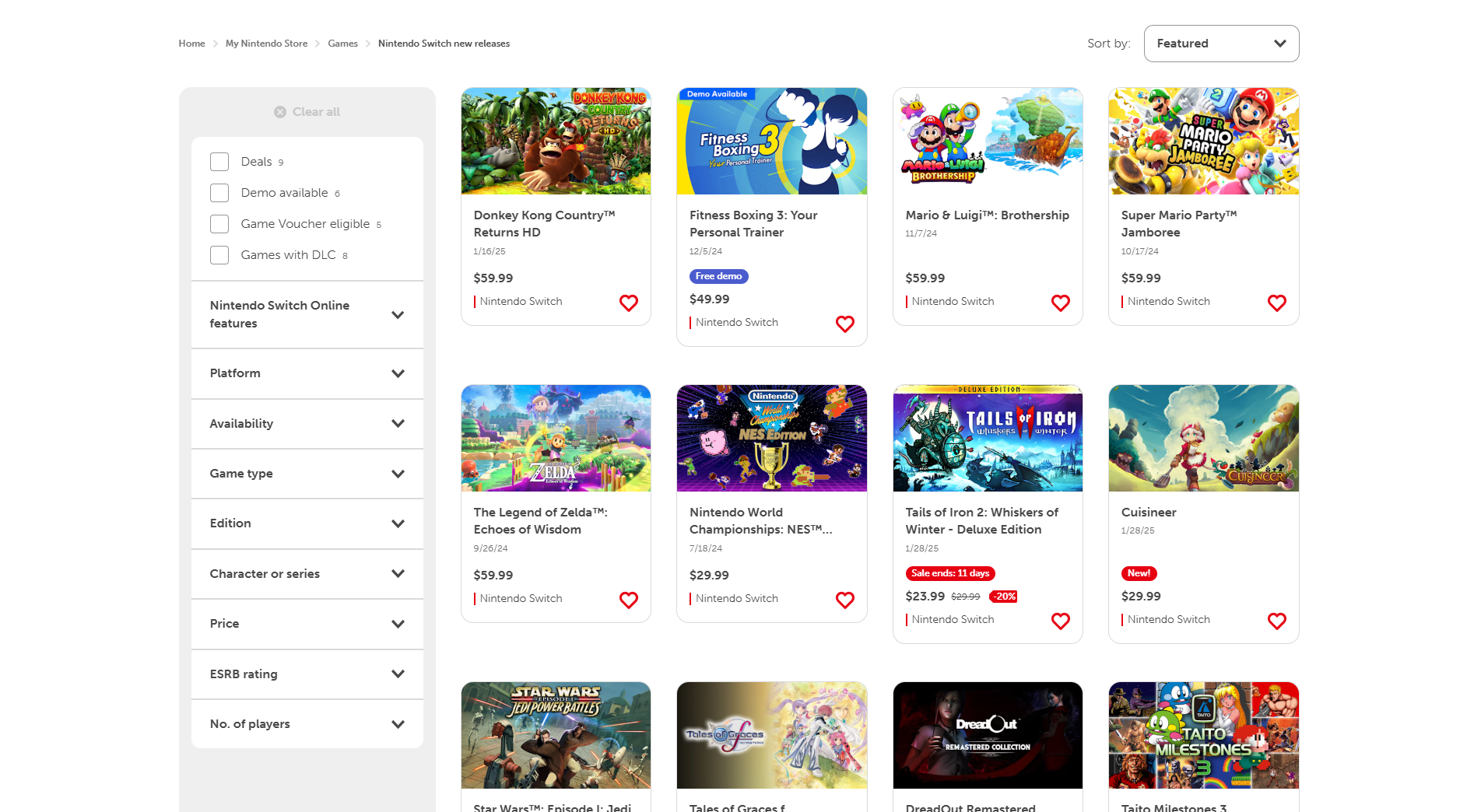
Nintendo's developer approval process is considered particularly vulnerable to exploitation. Some developers utilize extended discount periods and strategically timed bundle releases to maintain high visibility on the eShop's "New Releases" and "Discounts" sections. Similar issues plague PlayStation due to its "Games to Wishlist" sorting method, which prioritizes unreleased games alphabetically by release date.
While generative AI is a factor, it's not the sole cause. Many games use generic art, and the technology isn't advanced enough to create complete, certifiable games. Xbox, despite potentially being the least affected, is considered the least likely to discourage AI use due to its investment in the technology.

Discoverability and Platform Differences
Discoverability issues also contribute. Xbox's curated store pages limit exposure to low-quality games. PlayStation's "Games to Wishlist" tab, however, surfaces many questionable titles due to its sorting method. Steam, despite having many potential "slop" games, is less criticized due to its extensive search and filtering options and the constant influx of new releases. Nintendo's unfiltered "New Releases" section exacerbates the problem.
Calls for Regulation and Potential Solutions
Users are urging Nintendo and Sony to address the issue, but responses have been lacking. Developers are skeptical of significant improvements, citing Nintendo's history of incremental eshop improvements. The web browser version of the Nintendo eShop is noted as being significantly better than the console app. Sony has taken action in the past, suggesting potential future intervention.
However, overly aggressive filtering, as demonstrated by Nintendo Life's "Better eShop" project, can negatively impact legitimate games. Concerns exist that stricter regulation might inadvertently target quality software. Developers emphasize that platform holders are ultimately individuals attempting to balance allowing varied games while preventing exploitative practices. The difficulty of distinguishing between student projects, genuinely bad games, asset flips, and AI-generated games is also a significant challenge.










- 1 Roblox Game Codes Updated: April 2025 May 13,2025
- 2 The Best Gaming PC of 2025: Top Prebuilt Desktops Mar 26,2025
- 3 Idle Heroes Team Compositions – January 2025 Mar 16,2025
- 4 Roblox Forsaken Characters Tier List [UPDATED] (2025) Apr 03,2025
- 5 Fortnite: Chapter 6 Season 1 NPC Locations Feb 13,2025
- 6 Tips to Conquer the Dragon Quest III: HD-2D Remake Feb 21,2025
- 7 Roblox: Warrior Cats: Ultimate Edition Codes (January 2025) Feb 12,2025
- 8 Pokémon GO Fest 2025: Fest Dates, Locations, Details Revealed Feb 13,2025




-
Unique Wallpaper Apps for Every Style
A total of 10
-
Top Beauty Trends for This Season
A total of 10
-
Ultimate Baseball Games for Android
A total of 10