God of War's Success Hinges on Reinvention
The God of War series has been a cornerstone across four generations of PlayStation consoles. Since Kratos embarked on his vengeful journey to become the new god of war in 2005, few could have predicted where the saga of the angry deity destroyer would take us 20 years later. Unlike other long-running franchises that have struggled to remain relevant, God of War has thrived by embracing change. The most significant transformation came with the 2018 reboot, which transported Kratos from the realms of Ancient Greece to the rich tapestry of Norse mythology, altering both the series' presentation and gameplay. However, even before this critically acclaimed reboot, Sony Santa Monica introduced a series of smaller, yet impactful, changes that ensured the franchise's longevity.
For God of War to continue its success, reinvention will be crucial. When the series transitioned to its Norse setting, director Cory Barlog expressed interest in exploring settings like the Egyptian and Mayan eras. Recent rumors have reignited discussions about an Egyptian backdrop. While these may be speculative, the allure of Ancient Egypt's distinct culture and mythology is understandable. Yet, a new setting is just the beginning; wherever God of War ventures next, it must reinvent itself as effectively as it did when it evolved from the Greek trilogy to the Norse saga, enhancing and updating the elements that made the series great.
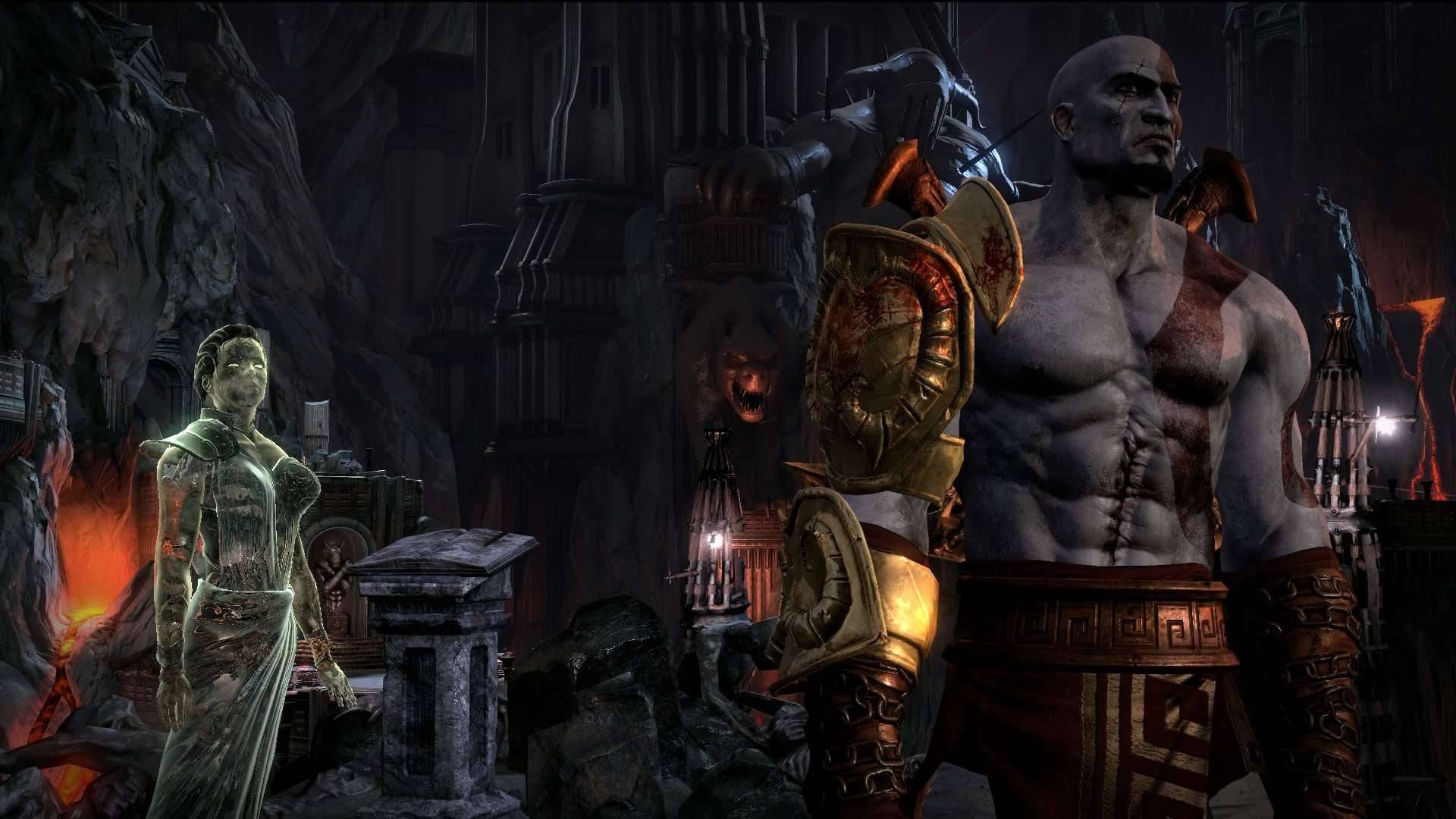
The series has consistently embraced evolution from one installment to the next. The original Greek games refined their hack-and-slash gameplay over a decade, culminating in a polished experience with God of War 3. By the end of the trilogy, Kratos wielded an enhanced magic system that complemented the rhythm of melee combat and faced a diverse array of challenging enemies. The transition to the PlayStation 3 allowed for new camera angles, showcasing the game's graphical prowess in 2010.
The 2018 reboot saw the loss of some defining elements from the Greek trilogy, such as platforming and puzzle-solving, which were integral to Kratos' journey. The shift to a third-person, over-the-shoulder perspective necessitated the removal of platforming sections, while puzzles were adapted to fit the new adventure-focused design.
The Valhalla DLC for God of War Ragnarök marked a return to the series' Greek roots, both mechanically and narratively. The reintroduction of battle arenas, a staple of the original series, was adapted to fit the Norse setting. This feature's revival was mirrored in the story, where Kratos confronts his past in Valhalla, invited by the Norse god of war, Týr. This full-circle moment underscored the series' ability to blend old and new elements seamlessly.
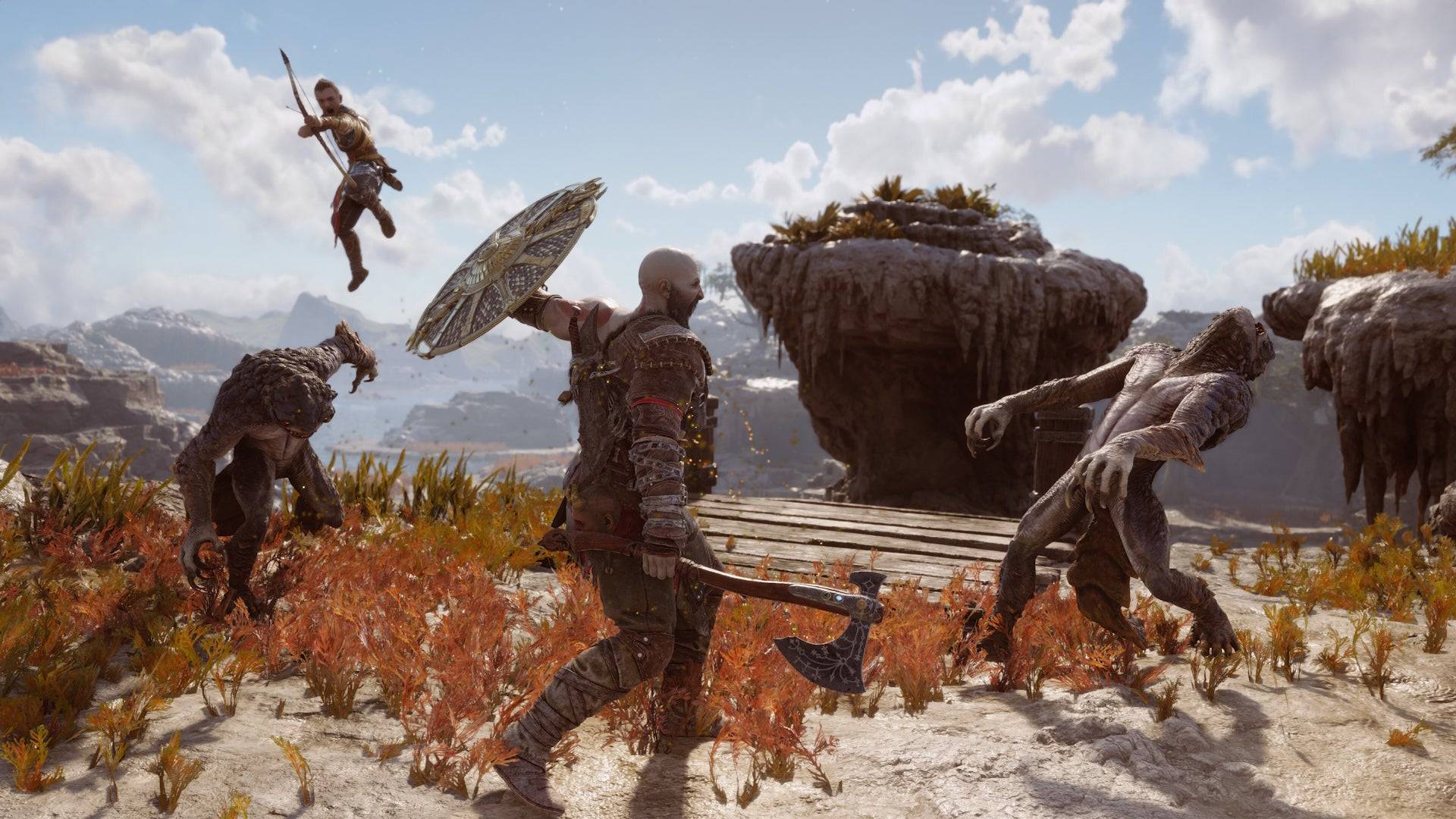
The Norse era of God of War introduced numerous innovations, including the Leviathan Axe's unique throwing mechanics, a combat-defining parry system with various shield types, and the magical spear in Ragnarök, which enabled a faster, explosive attack style. These elements facilitated exploration across the Nine Realms, each with its unique enemies, visuals, and characteristics.
While the changes in combat and exploration are evident, the most striking difference between the original trilogy and the Norse duology lies in the storytelling. The Norse games delve into Kratos' emotional journey, exploring his grief over his late wife and his complex relationship with his son, Atreus. This emotional depth, a departure from the more straightforward narrative of the Greek trilogy, has been pivotal to the Norse era's critical and commercial success.
God of War's shift in mechanical design and storytelling reflects a unique approach to franchise development. The creators view the Norse games not as traditional sequels but as extensions of Kratos' journey. This perspective should guide future installments.
The mixed reception to Assassin’s Creed's frequent shifts in setting and style illustrates the risks of straying too far from a series' core identity. While profitable, Assassin’s Creed has struggled to maintain fan loyalty across generations as effectively as God of War. The shift to an open-world RPG format with Assassin’s Creed Origins diluted the series' connection to its assassin roots, leading to a more divisive reception with each new game. The series' attempt to course-correct with Assassin’s Creed Mirage, a return to its Middle Eastern roots and a more focused narrative, was well-received, and Assassin’s Creed Shadows continues this trend with a focus on stealth gameplay.
God of War has navigated these challenges adeptly. The Norse series, while a radical departure, never lost sight of what made Kratos compelling or the series' mechanical foundations. It built upon the core of the Greek trilogy—the intense, unrelenting combat—and introduced new elements like Spartan Rage options, innovative weapons, and diverse combat scenarios. These enhancements deepened the series' lore and maintained its identity, a balance that any future installment, whether set in Egypt or elsewhere, must continue to strike.
Regardless of whether the rumors of an Egyptian setting materialize, the next God of War must ensure its evolutionary changes uphold the series' successful elements. The 2018 reboot focused on maintaining the high standards of combat set by the Greek trilogy. However, the next game will likely be judged by its story, the true highlight of the Norse duology. Kratos' transformation from a rage-driven monster to a complex father and leader underscores the importance of storytelling in the post-2018 games. Future installments must build on this strength while introducing bold new changes that could define the next era of God of War.








- 1 Roblox Game Codes Updated: April 2025 May 13,2025
- 2 The Best Gaming PC of 2025: Top Prebuilt Desktops Mar 26,2025
- 3 Idle Heroes Team Compositions – January 2025 Mar 16,2025
- 4 Roblox Forsaken Characters Tier List [UPDATED] (2025) Apr 03,2025
- 5 Tips to Conquer the Dragon Quest III: HD-2D Remake Feb 21,2025
- 6 Roblox: Warrior Cats: Ultimate Edition Codes (January 2025) Feb 12,2025
- 7 Pokémon GO Fest 2025: Fest Dates, Locations, Details Revealed Feb 13,2025
- 8 Fortnite: Chapter 6 Season 1 NPC Locations Feb 13,2025




-
Unique Wallpaper Apps for Every Style
A total of 10
-
Top Beauty Trends for This Season
A total of 10
-
Ultimate Baseball Games for Android
A total of 10