Bethesda Revival: Oblivion Remake Hints at Comeback
By Azura, by Azura, by Azura—the rumors proved accurate. Yesterday, Bethesda ignited the internet by unveiling Virtuos' highly anticipated remaster (or is it technically a remake?) of The Elder Scrolls IV: Oblivion. The surprise shadow-drop during an 'Elder Scrolls Direct'-style presentation instantly drew hundreds of thousands of concurrent players. This global celebration arrives as a welcome respite for Bethesda Game Studios, which has faced mounting scrutiny in recent years. Between ongoing damage control for Fallout 76's troubled launch and the lukewarm reception of its sci-fi venture Starfield, fans have begun questioning: Has Bethesda lost its legendary touch? The RPG landscape has grown fiercely competitive, with titles like Larian Studios' Baldur’s Gate 3 and Obsidian’s The Outer Worlds series earning acclaim as spiritual successors to Bethesda’s franchises. While Elder Scrolls 6 and Fallout 5 remain distant prospects, this Oblivion re-release marks a strategic step forward—just not the one many anticipated.
Bethesda Game Studios once reigned supreme in RPGs. Microsoft’s leaked 2020 FTC documents revealed Fallout 4 had sold 25 million copies, with 5 million units shifted in its first week alone. Similarly, Todd Howard announced Skyrim surpassed 60 million sales by 2023 (a figure undoubtedly boosted by its numerous re-releases). Starfield, however, has reportedly moved just over 3 million copies post-launch. Even accounting for Game Pass accessibility and its absence on PlayStation, these numbers likely fall short of expectations. While Starfield maintains a dedicated fanbase, its first expansion, Shattered Space, has drawn criticism—highlighting Bethesda’s growing challenge.
With The Elder Scrolls 6 still "years away" and Fallout 5 scarcely more than a whisper, how can this once-dominant developer reignite its fanbase’s passion? The solution may lie in revisiting the past.
Whispers of an Oblivion remaster first surfaced in September 2023 via leaked Microsoft documents, which also hinted at other unannounced projects. The rumor mill churned until January 2025, when a Virtuos insider leaked details, splitting the Elder Scrolls community into believers and skeptics. Last week, the dam broke prematurely: 'The Elder Scrolls IV: Oblivion' searches surged 713%, peaking at 6.4 million. Bethesda’s livestream garnered over 500,000 concurrent viewers, while fan demand crashed key reseller sites. The remaster now dominates Steam’s top sellers with 125,000 players—proof that Oblivion’s allure remains as potent as the flames of its iconic gates.
How can Bethesda rekindle its magic? The answer lies in its legacy.
The players’ message is unmistakable: revitalize classics, and they will return. Remasters offer a strategic bridge during lengthy development cycles, introducing new generations to Tamriel’s wonders or the Capital Wasteland’s ruins. While Bethesda’s core team focuses on future projects, trusted partners like Virtuos can expertly remaster titles with built-in audiences. These games defined RPGs for their era, and polished re-releases invite fresh obsessions with Tamriel’s lore or Fallout’s atomic-age grit.
Bethesda has executed this strategy before. During Amazon’s Fallout TV premiere, Fallout 4 received a 75% discount and a next-gen update incorporating show references, spurring a 7,500% European sales spike for the nine-year-old title.
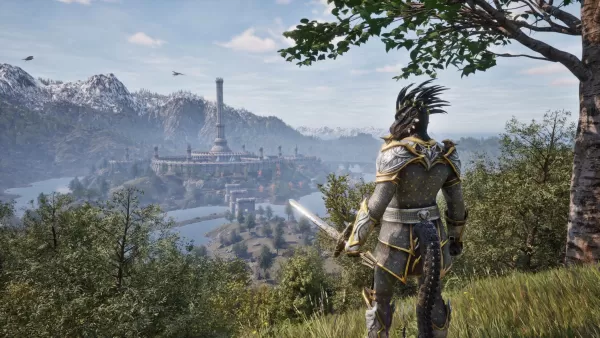
Microsoft’s leaked roadmap suggested a Fallout 3 remaster would follow Oblivion two years later. Though timelines have shifted, a 2026 release could align with Fallout Season 2—especially if the show shifts to New Vegas. Given how Season 1 mirrored Fallout 4’s tone, might Bethesda surprise fans with a New Vegas remake teaser after the Season 2 finale? Oblivion’s shadow-drop proves such tactics are within their playbook.
Yet if any title demands a remake, it’s The Elder Scrolls III: Morrowind. Unlike Oblivion, Morrowind straddles Bethesda’s design evolution: partially voiced, text-heavy, devoid of quest markers, and featuring archaic combat. While fans adore its quirks, modernizing it risks either diluting its charm or alienating new players. This delicate balance makes Morrowind the ultimate tightrope walk for developers.
For genre-defining studios, evolution is a paradox: how to innovate without alienating your core audience? Rockstar sustains Grand Theft Auto’s following through GTA Online’s persistent world—a tactic that differs sharply from Bethesda’s single-player expertise. Yet Oblivion’s reception proves players eagerly revisit Bethesda’s classics when remasters are handled with care (unlike Rockstar’s maligned GTA Definitive Editions). For a studio seeking to reclaim its RPG throne, revitalizing timeless adventures may be the smartest quest of all.











- 1 Roblox Game Codes Updated: April 2025 May 13,2025
- 2 The Best Gaming PC of 2025: Top Prebuilt Desktops Mar 26,2025
- 3 Idle Heroes Team Compositions – January 2025 Mar 16,2025
- 4 Roblox Forsaken Characters Tier List [UPDATED] (2025) Apr 03,2025
- 5 Roblox: Warrior Cats: Ultimate Edition Codes (January 2025) Feb 12,2025
- 6 Tips to Conquer the Dragon Quest III: HD-2D Remake Feb 21,2025
- 7 Pokémon GO Fest 2025: Fest Dates, Locations, Details Revealed Feb 13,2025
- 8 Fortnite: Chapter 6 Season 1 NPC Locations Feb 13,2025




-
Unique Wallpaper Apps for Every Style
A total of 10
-
Top Beauty Trends for This Season
A total of 10
-
Ultimate Baseball Games for Android
A total of 10