Were the 1980s the Greatest Decade for Marvel?
The 1970s were a period of significant change for Marvel Comics. While the era saw the introduction of memorable characters and storylines, such as "The Night Gwen Stacy Died" and Doctor Strange's encounter with God, the 1980s marked a true golden age, with some of Marvel's greatest creators launching iconic runs on its most popular titles. This era witnessed the rise of Frank Miller's Daredevil, John Byrne's Fantastic Four, David Michelinie's Iron Man, and the peak of Chris Claremont's X-Men, alongside Roger Stern's Amazing Spider-Man and Walt Simonson's Thor. Understanding the enduring legacy of these characters requires acknowledging the pivotal role these creators played.
Considering Marvel's history, the 1980s arguably represent the company's zenith. Join us for Part 7 of our exploration of essential Marvel comics!
More Essential Marvel
1961-1963 - The Birth of a Universe
1964-1965 - The Sentinels Are Born and Cap Dethaws
1966-1969 - How Galactus Changed Marvel Forever
1970-1973 - The Night Gwen Stacy Died
1974-1976 - The Punisher Begins His War on Crime
1977-1979 - Star Wars Saves Marvel From Bankruptcy
The Dark Phoenix Saga and Other All-Time X-Men Stories
Chris Claremont's transformative X-Men run began in 1975, but its most impactful stories unfolded in the early 1980s. The Dark Phoenix Saga (X-Men #129-137) stands as arguably the most renowned X-Men tale, and for good reason. Years after Jean Grey's transformation into the Phoenix, the cosmic entity corrupts her, aided by the Hellfire Club, turning her into the Dark Phoenix, a formidable adversary. This cosmic saga, co-plotted and penciled by John Byrne, is not only a gripping narrative but also introduces Kitty Pryde (Shadowcat), Emma Frost, and Dazzler. Jean Grey's sacrifice after regaining her senses remains one of the X-Men's most poignant moments, even knowing her eventual return. While film adaptations have fallen short, animated versions, like X-Men: The Animated Series, have more successfully captured the saga's essence.
Following closely, Days of Future Past (X-Men #141-142) features the Sentinels, first introduced by Stan Lee and Jack Kirby in 1965. This story showcases an adult Kitty Pryde traveling back in time to prevent an event that triggers a dystopian future ruled by Sentinels. Despite its brevity, this arc remains iconic, with the "Days of Future Past" reality revisited by subsequent creators. The storyline was adapted into the 2014 film X-Men: Days of Future Past.
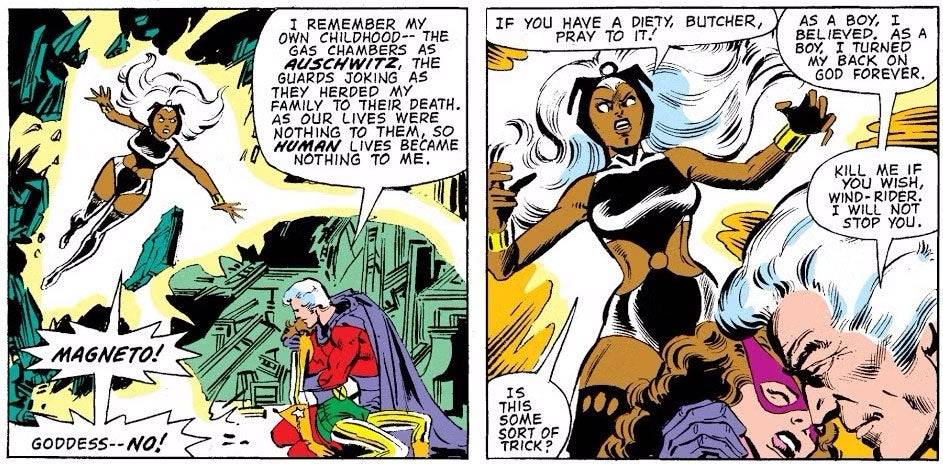
X-Men #150, another standout, depicts a conflict between the X-Men and Magneto, nearly resulting in Kitty Pryde's death. This confrontation reveals Magneto's Holocaust survivor backstory, a pivotal moment shaping his later character development into a more morally complex figure.
The First Appearances of Rogue, She-Hulk, and the New Mutants
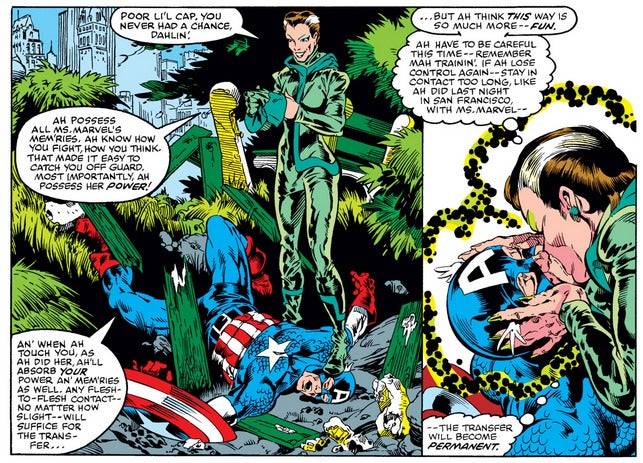
The 1980s also witnessed the introduction of major Marvel characters, including prominent female heroes. Rogue, a popular X-Men member, initially debuted as a villain in Avengers Annual #10 as part of Mystique's Brotherhood of Evil Mutants. This issue depicts Rogue absorbing Carol Danvers' (Ms. Marvel) powers, significantly impacting both characters' trajectories. This issue also features Carol confronting the Avengers for their inaction in saving her from Marcus Immortus.
Savage She-Hulk #1 introduced Jennifer Walters (She-Hulk), the last character co-created by Stan Lee during his original Marvel tenure. She-Hulk's first solo series wasn't highly acclaimed, but her character evolved significantly after joining the Avengers and Fantastic Four. Tatiana Maslany later portrayed She-Hulk in the MCU series of the same name.
The New Mutants, Marvel's first X-Men spin-off series, debuted in Marvel Graphic Novel #4 before their own series. The initial team included Cannonball, Sunspot, Karma, Wolfsbane, and Dani Moonstar (Mirage). Illyana Rasputina (Magik) joined in issue #15. A version of this team (excluding Karma) appeared in the 2020 film New Mutants.
Iconic Storylines for Daredevil, Iron Man, and Captain America
Daredevil #168 marks the beginning of Frank Miller's defining run, introducing Elektra and a gritty reinvention of Daredevil's mythology. Over two years, Miller crafted a crime noir saga featuring Kingpin as Matt Murdock's nemesis, the introduction of Stick, a confrontation with the Punisher, and the infamous death of Elektra in issue #181 (though resurrected later). This run served as inspiration for the 2003 film and the 2015 Netflix series.
Iron Man #149-150, the culmination of David Michelinie and Bob Layton's first Iron Man run, features "Doomquest," Iron Man's first solo battle with Doctor Doom, resulting in their transport to Arthurian times. This arc solidified Doom's place in Iron Man's rogues' gallery.
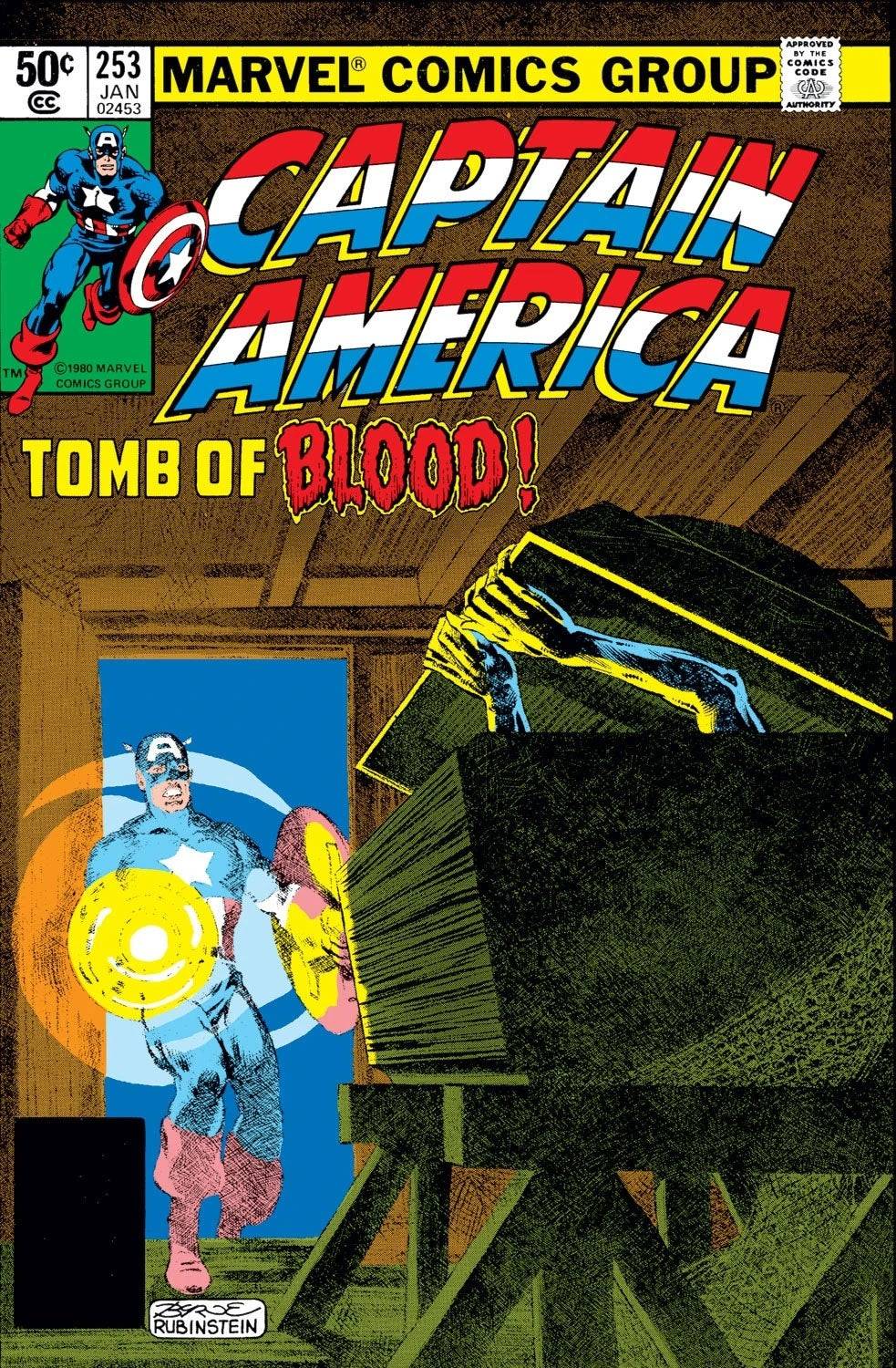
Captain America #253-254, a standout from Roger Stern and John Byrne's run, features Captain America's confrontation with Baron Blood, a Nazi vampire connected to Cap's time with the Invaders. This darker tale showcases exceptional artwork and a powerful conclusion.
Moon Knight Becomes a Hero and Marvel Helps Create the G.I. Joe Mythology
Moon Knight #1, while not his first appearance (Werewolf by Night #32), solidified Moon Knight's heroic identity, fully developing his backstory and introducing his alternate personalities. This issue laid the groundwork for all subsequent Moon Knight stories.
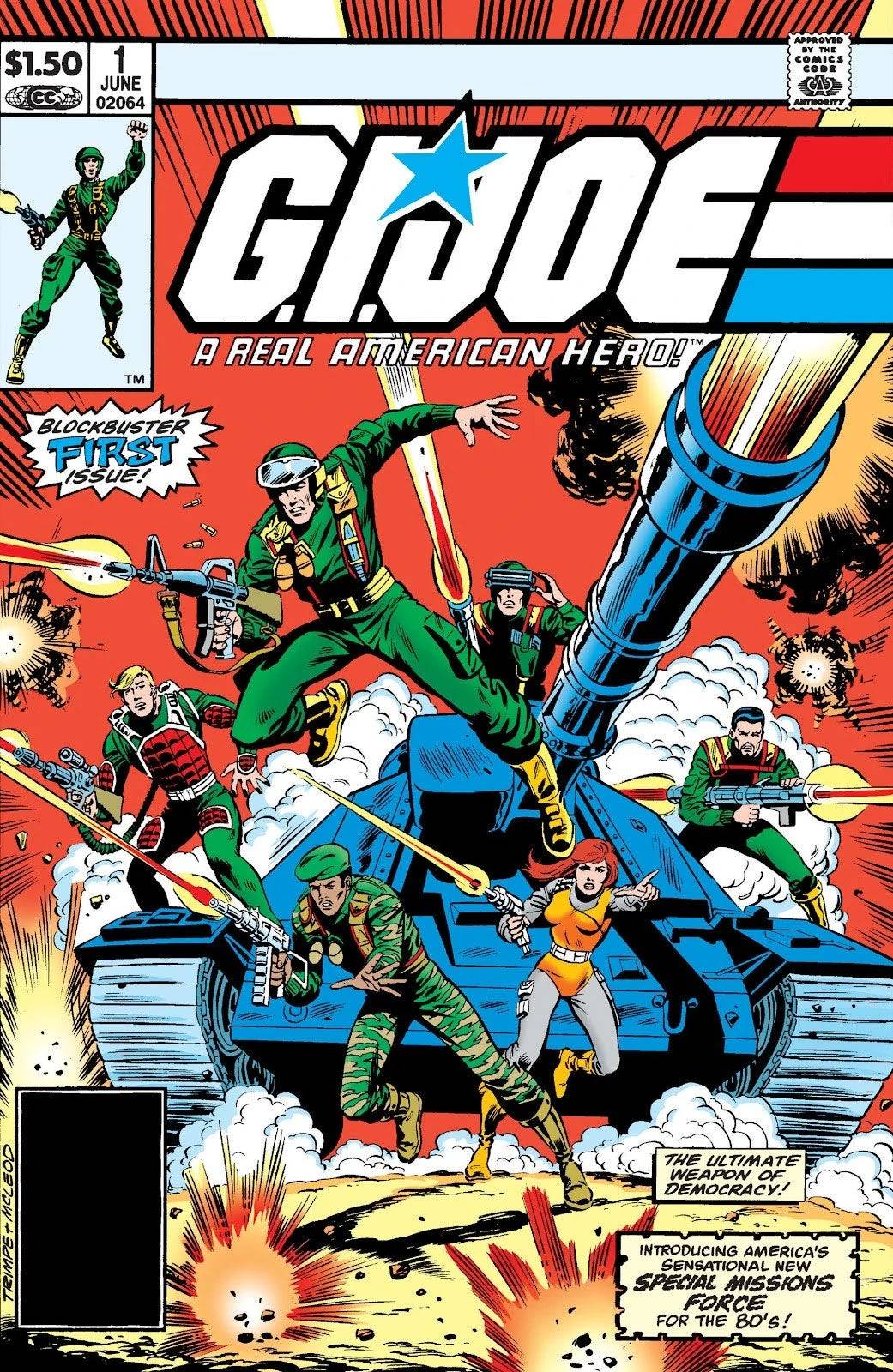
G.I. Joe #1, while not a Marvel-owned property, owes its existence largely to Marvel. Marvel editor Archie Goodwin conceived Cobra, and Larry Hama developed most of the character roster, including iconic figures like Scarlett, Snake Eyes, Storm Shadow, Lady Jaye, and the Baroness. Hama's work made G.I. Joe a highly popular title, particularly among female readers due to the equitable portrayal of female characters.










- 1 Roblox Game Codes Updated: April 2025 May 13,2025
- 2 The Best Gaming PC of 2025: Top Prebuilt Desktops Mar 26,2025
- 3 Idle Heroes Team Compositions – January 2025 Mar 16,2025
- 4 Roblox Forsaken Characters Tier List [UPDATED] (2025) Apr 03,2025
- 5 Fortnite: Chapter 6 Season 1 NPC Locations Feb 13,2025
- 6 Tips to Conquer the Dragon Quest III: HD-2D Remake Feb 21,2025
- 7 Roblox: Warrior Cats: Ultimate Edition Codes (January 2025) Feb 12,2025
- 8 Pokémon GO Fest 2025: Fest Dates, Locations, Details Revealed Feb 13,2025




-
Unique Wallpaper Apps for Every Style
A total of 10
-
Top Beauty Trends for This Season
A total of 10
-
Ultimate Baseball Games for Android
A total of 10