
Ridley Scott’s Lost Dune Script Found: 'I Don't Think It Would’ve Made Fans Happy'
Ridley Scott's Lost Dune: A 40-Year-Old Secret Revealed
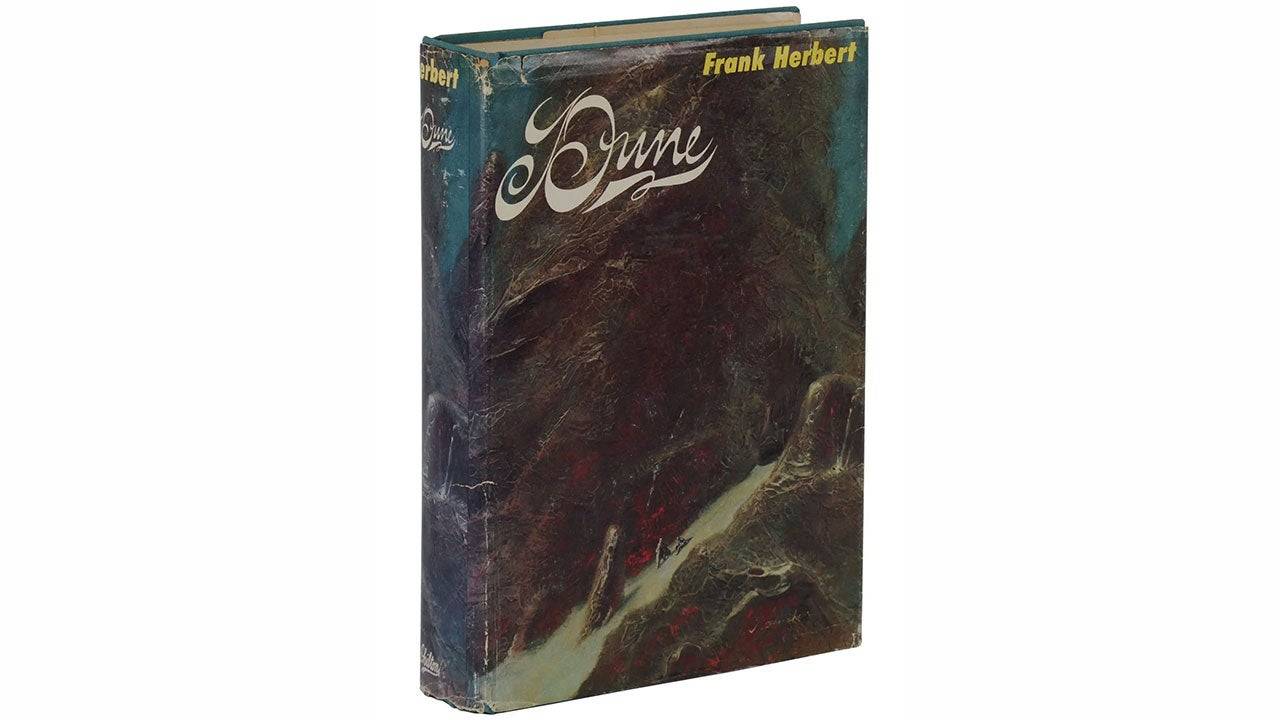
This week marks forty years since David Lynch's Dune premiered. Initially a box office flop, it has cultivated a devoted cult following, contrasting sharply with Denis Villeneuve's recent big-screen adaptation. Ridley Scott's involvement, preceding Lynch's, remained largely unknown until now.
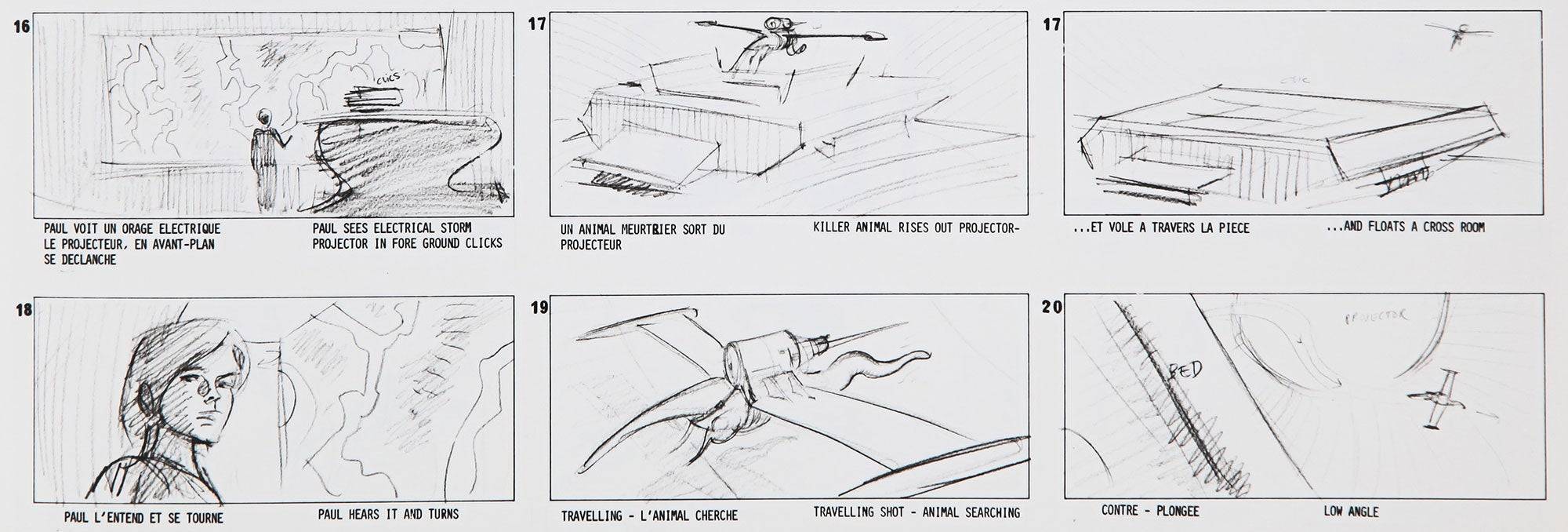
Thanks to T.D. Nguyen, a 133-page October 1980 draft of Scott's abandoned Dune script, penned by Rudy Wurlitzer, surfaced from the Coleman Luck archives at Wheaton College. This draft, intended as part one of a two-part epic, reveals a drastically different vision.
Frank Herbert's initial screenplay was excessively faithful to the novel, hindering its cinematic potential. Scott, after reviewing it, selected a handful of scenes and commissioned Wurlitzer for a complete rewrite. Wurlitzer described the process as challenging, stating they aimed to capture the book's essence while injecting a unique sensibility. Scott himself later praised the script's quality.
Several factors contributed to the project's demise: the death of Scott's brother, his reluctance to film in Mexico (De Laurentiis's demand), a ballooning budget exceeding $50 million, and the allure of Filmways' Blade Runner project. Crucially, Universal executive Thom Mount noted that Wurlitzer's script lacked universal acclaim.
Was the script a cinematic failure, or simply too dark and politically charged for mainstream success? A detailed analysis of the script allows for a personal judgment.
A Different Paul Atreides
Scott's Dune opens with a dream sequence depicting apocalyptic armies, foreshadowing Paul's destiny. The script's visual descriptions are strikingly evocative, reflecting Scott's signature style. Paul, unlike Timothée Chalamet's portrayal, is a seven-year-old boy undergoing a Bene Gesserit test, his experience interwoven with his mother Jessica's, highlighting their psychic bond.
Producer Stephen Scarlata contrasts this assertive, actively involved Paul with Lynch's more vulnerable depiction. The script features a flash-forward showcasing Paul's training and eventual surpassing of Duncan Idaho.
The Emperor's Demise and Political Intrigue
A significant deviation from the novel is the Emperor's death, serving as the catalyst for the plot. The script depicts the Emperor's funeral and the subsequent gathering of the Great Houses, culminating in Baron Harkonnen's attempt to negotiate with Duke Leto. A key line, remarkably similar to a famous line from Lynch's film, underscores the importance of spice control.
The Guild Navigator and Arrakis
The script introduces the Guild Navigator, a spice-mutated being, visualized as an elongated, humanoid figure. The Navigator's coma-induced navigation method hints at Scott's later film, Prometheus.
The arrival on Arrakis showcases a medieval aesthetic, emphasizing swords and feudal customs. The ecological impact of spice mining is highlighted through Kynes's explanations. The script also depicts the squalor of Arakeen's streets, emphasizing class disparity.
A new action sequence features Paul and Duncan in a violent bar brawl, showcasing Paul's early prowess. This encounter leads them to Stilgar, who executes a Harkonnen agent.
The Deep Desert and Confrontation
Paul and Jessica's desert escape is intense, featuring a crash landing and a perilous journey. A scene mirroring Villeneuve's film depicts Paul confronting a sandworm. Notably absent is the incestuous relationship between Paul and Jessica, a point of contention with Herbert and De Laurentiis.
The script portrays a brutal duel between Paul and Jamis, culminating in Paul's victory. The Fremen accept Paul as the Lisan al-gaib, a messianic figure.
A Mystical Climax
The script culminates in a Water of Life ceremony, featuring a shamanistic figure and a giant sandworm. Jessica undergoes a transformation, becoming the new Reverend Mother. The script concludes with Paul, Jessica, and Chani presented to the Fremen as a new royal family.
A Bold, Controversial Vision
Scott's Dune, as envisioned by Wurlitzer, presents a darker, more politically charged narrative. Paul is less a reluctant hero and more an ambitious leader. The script's emphasis on ecological concerns and social inequality sets it apart from previous adaptations.
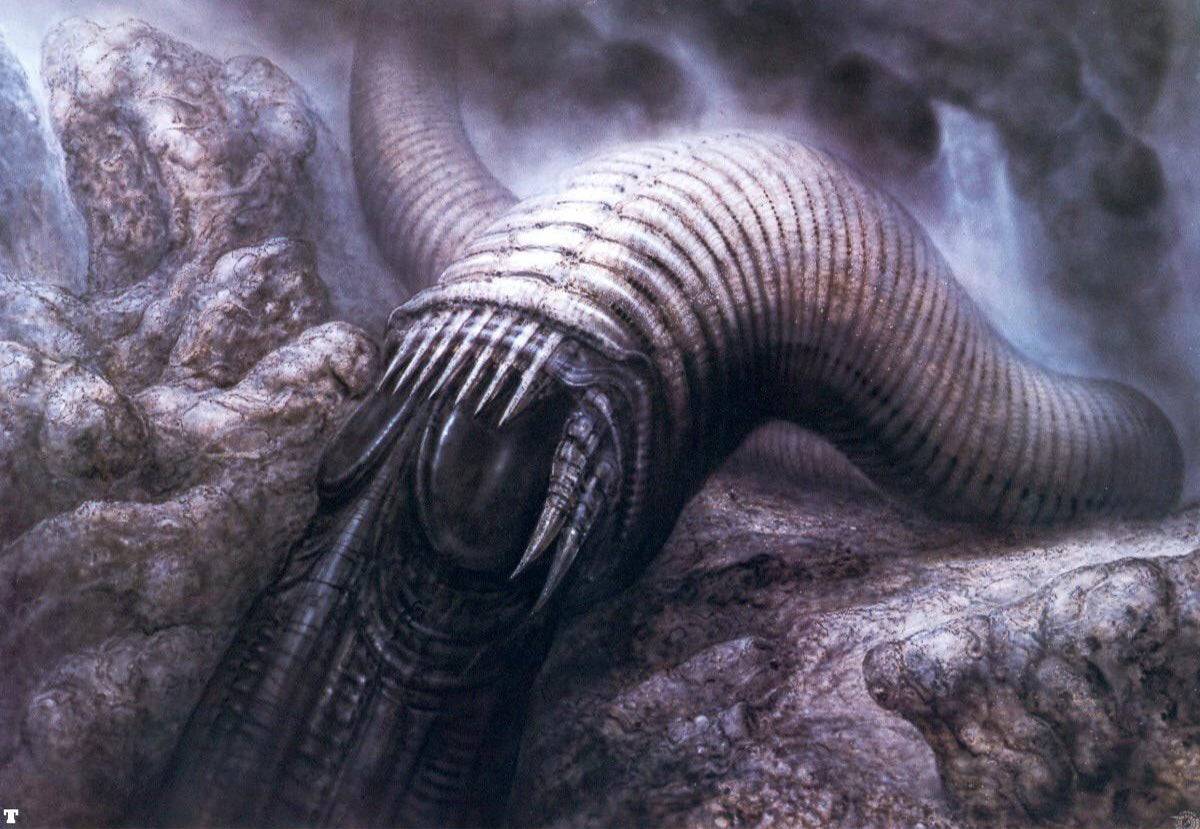
The script's deviations from the source material, its mature themes, and its violent depictions likely contributed to its rejection. However, it offers a unique interpretation of Herbert's work, highlighting its ecological and political dimensions. The script's legacy includes H.R. Giger's sandworm design and its influence on later adaptations. It remains a fascinating glimpse into a lost cinematic vision of Dune. Perhaps, in the future, a filmmaker will revisit this ambitious, ecologically-conscious interpretation.












- 1 Roblox Game Codes Updated: April 2025 May 13,2025
- 2 The Best Gaming PC of 2025: Top Prebuilt Desktops Mar 26,2025
- 3 Idle Heroes Team Compositions – January 2025 Mar 16,2025
- 4 Roblox Forsaken Characters Tier List [UPDATED] (2025) Apr 03,2025
- 5 Fortnite: Chapter 6 Season 1 NPC Locations Feb 13,2025
- 6 Tips to Conquer the Dragon Quest III: HD-2D Remake Feb 21,2025
- 7 Roblox: Warrior Cats: Ultimate Edition Codes (January 2025) Feb 12,2025
- 8 Pokémon GO Fest 2025: Fest Dates, Locations, Details Revealed Feb 13,2025




-
Unique Wallpaper Apps for Every Style
A total of 10
-
Top Beauty Trends for This Season
A total of 10
-
Ultimate Baseball Games for Android
A total of 10